
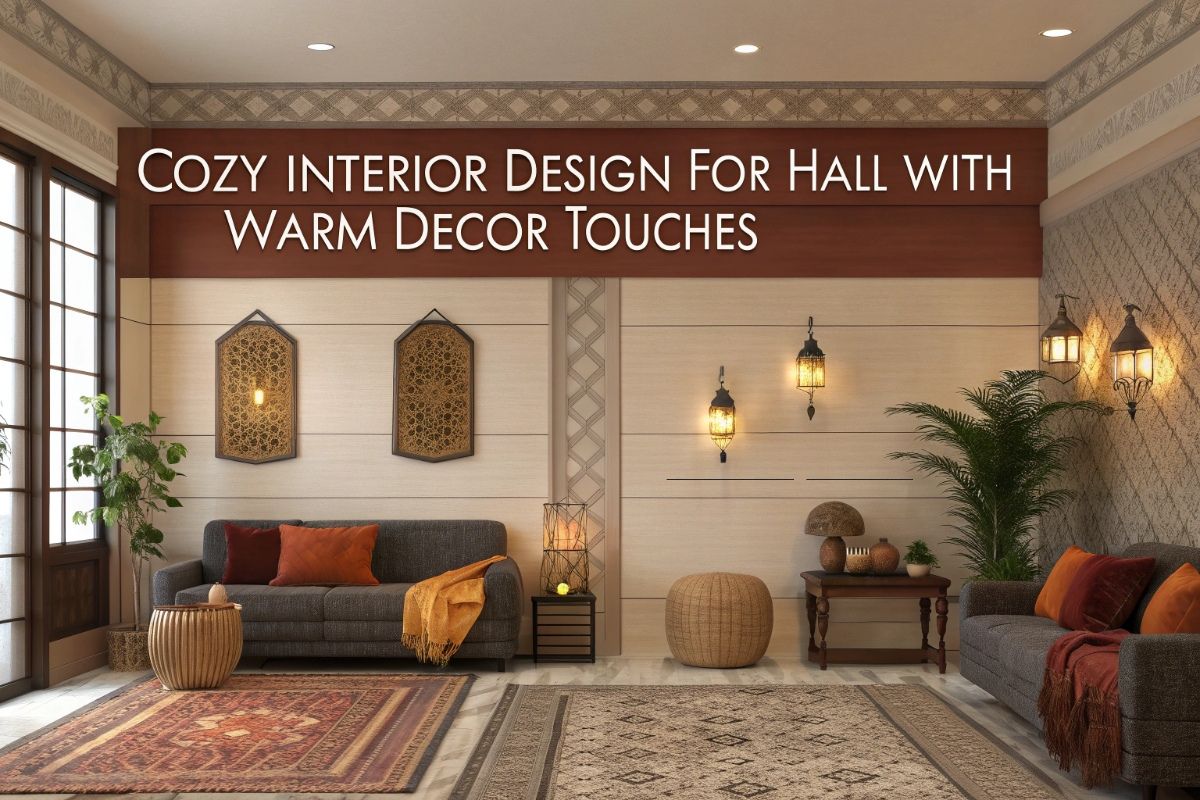
Cozy hall design is simple. It brings psychological comfort. It creates physical ease in entryways. These are transitional spaces. This is a calculated method of home interior design. It turns dull, useful areas into inviting zones. Design principles are key.
The process of effective interior design for hall spaces needs a base. It starts with spatial understanding.The hall links all your distinct living zones. Its design must match the aesthetic of nearby rooms. But it also needs its own vibe. Its own defining character. Use scale fundamentals. Every element chosen must support warmth. You must avoid visual complexity. No disruptions allowed. Professional focus is everything. Seeking specialized guidance? As a best interior decorators in Chennai we offer expertise.
Essential Elements for Warm Décor
Real warmth takes work. It’s not just decoration. It needs a total strategy. Think structural. Think material. These core elements influence emotions. They affect the occupant’s response. Layering materials is intentional. Modulating light intensity is crucial. Every successful cozy space demands this. It relies on environmental orchestration. The success of home interior design rests here. It hinges on recognizing how small parts interact.
The Strategic Role of Color Theory
Color choice is powerful. It might be the strongest tool. It creates a warm atmosphere. Tones are on a spectrum. Use warm hues. These are reds and yellows. They advance the perception of thermal heat. And emotional heat, too. Deeper, muted shades absorb light. They don’t reflect it brightly. This naturally draws boundaries closer. It creates an enveloping feel. Think of a big, soft blanket. This strategic color use minimizes distance. It maximizes intimacy.
The psychological effect of color is immediate. Tones register before shapes do. The brain processes these warm hues rapidly. This triggers a feeling of safety. The use of yellow-based whites, for example, is intentional. It mimics the historic glow of oil lamps. This taps into deep cultural associations with hearth and home.
The careful manipulation of chroma and value dictates the psychological spaciousness of the hall. Lighter, warmer neutrals provide a foundation of softness without demanding attention. Conversely, rich, saturated colors can be introduced in controlled doses to establish anchors of warmth and visual depth. This is a crucial element of sophisticated interior design for hall execution.
The Textural Dimension in Softening Spaces
Texture is foundational. It controls perceived softness. And the tactile quality of a space. Varying textures is essential. It adds visual interest and depth. Especially in streamlined home interior design projects. Hard, shiny surfaces look durable. True. But they often feel cold. The feeling is distant. The introduction of natural or soft materials acts as a critical counterpoint to this rigidity.
We focus on combining elements like dense, woven fibers, deeply piled rugs, and untreated, matte wood finishes. These materials diffuse light softly. They enrich the space. They offer a high degree of tactile richness. The successful application of texture involves layering. For instance, placing a soft, natural fiber rug over hard flooring. Or utilizing deeply textured wall treatments. This technique significantly elevates the perceived warmth of the hall.
Practical Warm Décor Ideas for Halls
Go beyond the basics. Specific design features reinforce coziness. They are not just decoration. They modulate the sensory environment. They have functional roles. Placement is deliberate. It helps delineate pathways. It defines small micro-zones. This structured approach keeps order. But it elevates perceived comfort.
Illumination as a Design Tool
Effective home interior design uses warm fixtures. Their color temperature is low. Typically below 3000 Kelvin. They emit a soft, golden glow. This spectral quality is comforting. Think of firelight. Or a gentle sunset. Dimmers are a must. They give occupants control. Complete control over light intensity.
This is vital for intimacy. Placement is strategic. Wall sconces. Table lamps. Floor lamps. Put them at varying heights. They create pools of light. They pull the hall’s boundaries inward. This technique is indispensable for interior design for hall.
Acoustic Considerations and Comfort
Acoustics are critical. They are often overlooked. But they define coziness. Sound reflectance is bad. Hard surfaces cause echoing. This leads to coldness. It causes unease. The atmosphere must be comfortable. It needs sound absorption. Mitigate reverberation. This sensory fix is possible. Choose surface treatments carefully.
Textiles and dense items absorb sound. Naturally. This makes the space acoustically softer. Heavy drapery helps. Thick area rugs, too. Upholstered benches dampen noise. All contribute significantly. In superior home interior design, position them well. Break up those sound paths. Use structural materials that absorb sound. High ratings are best. This comprehensive approach ensures quiet. The hall feels sheltered. This reinforces the main goal. Creating a truly cozy hall.
Inspiring Visual Examples of Cozy Halls
Visual inspiration is a powerful theoretical mechanism. It allows the designer to synthesize conceptual applications. The process involves deconstructing established design paradigms. Identify the core principles at work. Then, reconstruct them for a specific hall. This is not about replication. It’s about abstraction. Understanding the “why” behind successful visuals. Not just the “what.”
A visually successful hall communicates instantly. It broadcasts its function and mood. This is achieved through unified visual language. All elements must speak the same dialect. The texture, the light, the color. All must align. This cohesion is the visual core of a cozy space. It is the theoretical blueprint. Studying these patterns is essential. They inform future application. They prevent conceptual misalignment in home interior design projects.
How to Implement Cozy Design Step-by-Step
A cozy interior design for hall concept needs a process. It must prioritize function. Aesthetics come second. We recommend a multi-phase approach. This ensures full, comprehensive execution.
Follow these steps:
- Phase 1: Functional Analysis. Assess the space. How does traffic flow? What architectural features exist? This dictates where furniture goes. Think console tables. Think benches.
- Phase 2: Palette Commitment. Establish your colors. Commit to a warm neutral base first. Always. Only then add accent colors.
- Phase 3: Lighting Map. Address the lighting plan. Map out multiple sources. They must be dimmable. Ensure layered illumination.
- Phase 4: Textural Integration. Focus on large-scale textures. Select the main floor coverings. Lay them out.
- Phase 5: Secondary Textiles. Introduce soft accents. Decorative cushions. Throws. This enhances the tactile feel.
- Phase 6: Final Tuning. Place décor objects thoughtfully. Use reflective items. Use absorbent ones. This fine-tunes visual depth. It adjusts acoustic characteristics.
This structured method guarantees success. Used by professionals, it ensures nothing is missed. Every detail contributes to the welcoming environment.
Tips for Maintaining a Warm and Inviting Hall
The hall is finished. Now, maintain that warmth. The long-term effectiveness of home interior design relies on diligence. Pay attention to sensory inputs. Consistency is key.
Organization must be monitored. Clutter is the enemy. The primary antagonist of coziness. It creates visual noise. It breaks the feeling of calm. The solution? Smart, hidden storage. Deploy it. Keep a streamlined look. This is a core tenet of high-quality interior design for hall execution.
Periodic adjustment of lighting is also vital. It is a vital task. The successful hall is responsive. It changes with the day. It changes with the season. Adjust the dimmer settings. Change bulb wattage if needed. This keeps the atmosphere intimate. Regardless of the weather outside. Upkeep of textiles is also essential. For advanced planning, consult premier interior designers in Chennai. They help keep your space perpetually inviting.